



Blog
Wudu Area Style Guide for UK Mosques & Centres in 2026

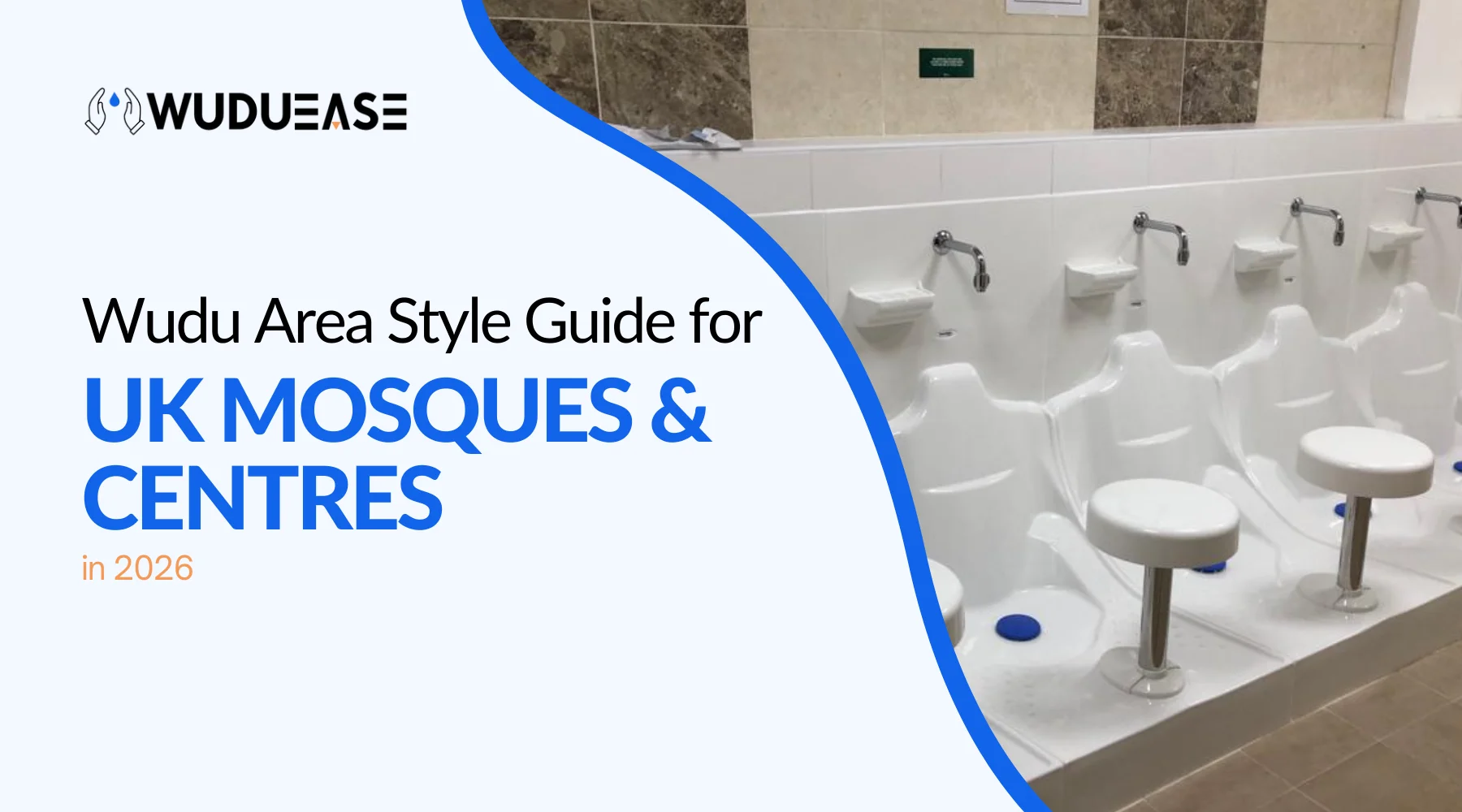
Today, designing Wudu areas in UK mosques and Islamic centres needs to balance spiritual values, hygiene, and community access. Wudu is a cleansing ritual done before prayer. By 2026, as hygiene becomes more important alongside digital technology and accessibility, Wudu areas are changing. Many Islamic spaces in the UK are adopting smart Wudu tech, which includes touchless facilities to improve cleanliness and comfort.
This Wudu area style guide will help UK mosque and Islamic centre leaders, designers, and planners create or improve their ablution facilities. Whether you’re starting from scratch or updating an existing space, this guide will ensure your design meets Islamic practises, UK building codes, health regulations, and the needs of a diverse British Muslim community, including children, the elderly, disabled people, and new Muslims.
Why Modern Wudu Areas Matter in 2026
A Spiritual and Hygienic Priority
Wudu is an important Islamic practise that readies the mind and body for Salah (prayer). Wudu spaces should encourage peace and cleanliness. In 2026, with increased awareness of public hygiene and germs, modern Wudu areas are vital for community health. A well-designed Wudu space reduces crowding, prevents slips, and minimises contact with dirty surfaces.
Inclusivity and Accessibility
Inclusion is now a legal and ethical requirement. Under the UK’s Equality Act 2010 and Building Regulations Part M, Wudu areas must accommodate people with mobility challenges, the elderly, children, and women with strollers. Universal Wudu spaces should have adjustable sinks, seating, roomy layouts, ramps, non-slip floors, and privacy measures. These features create a welcoming space for everyone.
Sustainability and Smart Integration
With climate change and efficient resource use becoming important topics, mosques in the UK are focusing on sustainability. They are installing sensor taps to save water and using recycled materials. Modern Wudu areas showcase eco-friendly design. Smart technology in these areas helps reduce waste, lower utility bills, and encourages responsible water use among worshippers.
Key Components of a Modern Wudu Area
Designing a great Wudu area goes beyond just the basics. It involves smart choices that enhance functionality, safety, hygiene, durability, and appearance. Here are the essential components and modern takes on traditional features:
1. Wudu Basins
Wudu basins are essential for the ablution area. Choosing the right basin helps users perform Wudu comfortably without splashing. Look for quality ceramic, the right height, smooth shapes, and sensor features.
- The Al Buraq Square Dual Wudu Basin is sleek, modern, and perfect for busy mosques.
- The Dual Level Ceramic Wudu Basin with Mixer is designed for users of various heights and ages at the same time.
- The Easy Ceramic Dual Wudu Basin with Mixer is compact and reliable, fitting well in limited spaces while remaining functional.
Check our full Wudu Basins category for more options.
2. Foot Baths
Washing feet can be tough, especially for older or disabled people. Special foot baths make it easier and safer.
- Foot Bath Wudu Basin with Chair – This has a steady seat and is easy for elders or wheelchair users to access.
- Portable Wudu Foot Washer – This is light and easy to carry, great for events, travel, or flexible prayer.
Check out our full collection of foot baths for more choices.
3. Accessories for Hygiene & Comfort
Smart accessories improve comfort in the Wudu area and help keep it clean.
- Sensor-activated taps and soap dispensers.
- Touchless hand dryers or paper towel stations.
- Anti-slip mats and flooring.
- Stainless steel handrails for seated users.
- Privacy screens between stations.
- Floor drains with angled slopes for rapid drying.
- Hooks or cubbies for shoes and bags.
Visit our complete Accessories range to explore all essential upgrades.
Smart Wudu Area Tech UK: Trends to Embrace
In 2026, smart technology is quickly becoming common in Islamic buildings. Wudu areas lead this change by providing better hygiene, efficient operations, and user education.
Motion-Sensor Taps & Mixers
Motion-sensor taps save water and reduce touch, which is important in busy prayer areas. They also stop taps from running unnecessarily, helping to conserve water.
Temperature-Controlled Water Mixers
Many modern Wudu facilities use thermostatic mixers that prevent scalding. These mixers maintain safe water temperatures, making them suitable for children and the elderly. WuduEase basins work well with these systems.
Digital Usage Monitoring
New Wudu stations have digital tools that let managers track water use, find problems like leaks early, and observe busy times for better cleaning schedules.
Voice-Guided Wudu Modules
These modules provide clear instructions in several languages, making them great for children, new Muslims, and tourists. They are a valuable educational resource for mosques with outreach programs or interfaith events.
App-Controlled Facility Management
New apps enable caretakers to check equipment status, monitor water filter changes, and remotely shut off water in certain areas during off-hours.
Designing for Diversity: Accommodating All Worshippers
Child-Friendly Wudu Stations
Creating positive early experiences of Wudu helps build spiritual habits. Basins like the Dual Level Ceramic Wudu Basin with Mixer allow families to use them together, fostering unity and learning.
Elderly and Disabled Access
In addition to seated options like the Foot Bath Wudu Basin with Chair, designers should also incorporate:
- Wheelchair-accessible entryways.
- Anti-fatigue mats.
- Clear signage with braille or tactile indicators.
- Railings and support bars.
- Emergency assistance buttons.
Women’s Wudu Areas
Respecting privacy and comfort is important. Women’s Wudu areas should be clearly separate, with tall dividers, soft lighting, and baby-changing stations. Scent diffusers and calming colours can enhance the space.
Aesthetic & Functional Design Tips
The design of a Wudu area affects its use and the calmness and respect of those praying. Here’s how to balance beauty and usefulness:
Layout Principles
- Provide logical traffic flow to avoid congestion.
- Use clear signage (multilingual if possible).
- Ensure distinct entry and exit points.
- Position stations in ergonomic groupings of 3 to 7 for medium to large mosques.
Colour & Materials
- Opt for white, beige, or neutral palettes for a clean look.
- Use high-gloss ceramic and stainless steel finishes.
- Avoid overly dark colours that may conceal dirt or water puddles.
- Choose antibacterial, easy-to-clean surfaces.
Flooring
- Use gradient-sloped floors to guide water into drains.
- Select non-slip, textured tiles that resist wear.
- Incorporate underfloor heating where the budget allows to reduce dampness.
- Add visual contrast between the floor and walls for visually impaired users.
Costing & Budgeting Smart Wudu Areas
Initial Investment
Smart Wudu areas need more money upfront, especially for digital tools, thermostatic mixers, and sensors. Yet, this cost can lead to better user satisfaction, safety, and savings in the long run.
Maintenance Savings
WuduEase products, such as sensor mixers and digital units, require less repair. Their smart features lower the risk of flooding, reduce wear and tear, and help save on water bills.
Funding Opportunities
Mosques can pursue:
- Local authority disability access grants.
- Green energy subsidies for water-saving infrastructure.
- Muslim charities or Waqf foundations focused on Islamic infrastructure.
- Community fundraising campaigns (especially effective during Ramadan).
Step-by-Step Checklist for Upgrading Your Wudu Area in 2026
- Check the layout, how it’s used, and any safety issues.
- Ask congregation members about their concerns and needs.
- Look over the UK Building Regulations and BS8300 to ensure compliance.
- Choose accessible fixtures from WuduEase’s Wudu Basins, Foot Baths, and Accessories.
- Talk to Islamic scholars to ensure religious compliance.
- Partner with local authorities or architects to apply for grants.
- Create a step-by-step plan to reduce disruption.
- Teach caretakers and volunteers how to use, clean, and maintain the space.
FAQs: Designing Wudu Areas in UK Mosques
What is the best Wudu basin for busy mosques?
The Al Buraq Square Dual Wudu Basin is ideal for busy mosques. It is strong, compact, and allows two users at once.
Can we install portable Wudu stations for events?
Yes, for Islamic events, school trips, and interfaith gatherings, the Portable Wudu Foot Washer is a great mobile option.
Are there Wudu facilities for children?
Yes. The Dual Level Ceramic Wudu Basin with Mixer caters to both children and adults at the same time.
Do smart Wudu features need regular maintenance?
No, WuduEase’s smart products require little upkeep. Basic checks once a month are enough.
How can we make Wudu areas more accessible for disabled users?
Install seated foot baths, widen pathways for wheelchairs, use textured flooring, and add clear signs. The Foot Bath Wudu Basin with Chair is a good choice.
Are there eco-friendly Wudu products?
Yes. WuduEase provides sensor-controlled mixers, water-saving taps, and basins made from sustainable materials to help mosques lower their carbon footprint.
What is the average cost of modernising a medium-sized mosque’s Wudu area?
It can cost between £8,000 and £25,000, depending on the number of basins, smart technology, custom installations, and materials used.
Designing with Purpose
Designing a Wudu area in 2026 is more than just a religious duty. It offers a chance to enhance the spiritual, hygienic, and emotional experience of worshippers. Modern technology, touchless facilities, and inclusive features will shape the future of Islamic spaces in the UK.
A well-designed Wudu area can be a point of pride for the community. It reflects Islamic values, treats everyone with dignity, and meets high standards of design and sustainability.
Trust WuduEase to create a space that promotes purification, comfort, and ease. Check out our range of Wudu Basins, Foot Baths, and Accessories to start your transformation.