



Blog
Step-by-Step Guide to Building a Wudu Area

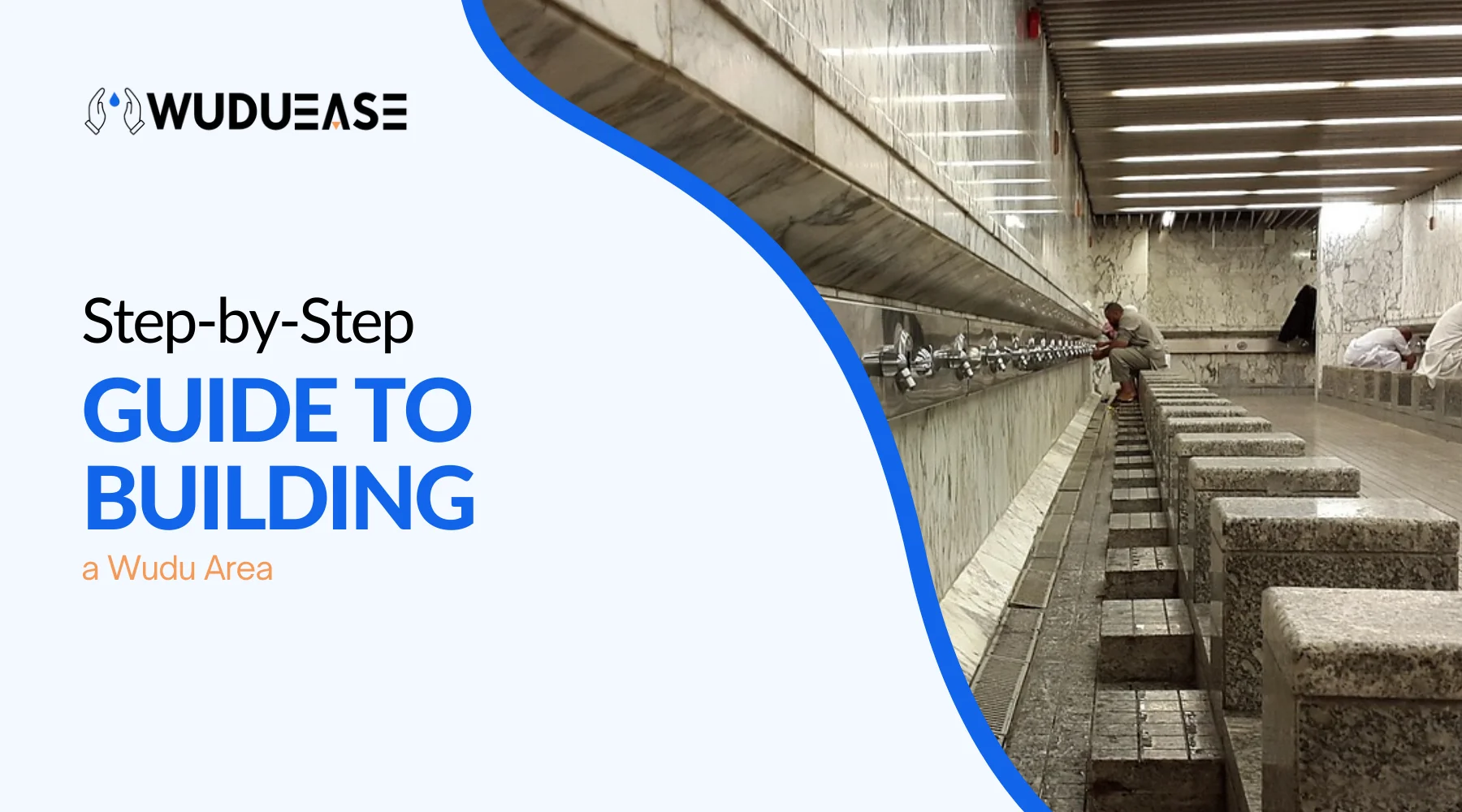
Creating a Wudu area is important for any Muslim home, mosque, madrasa, or Islamic centre that values cleanliness and easy access. Whether you’re setting up a small space at home or a larger area for public use, this guide will help you build a Wudu area that is functional and hygienic.
This guide covers design ideas, essential fixtures, installation tips, common mistakes, maintenance, safety, product recommendations, and FAQs. With suggestions from WuduEase, a top brand for Islamic hygiene solutions in the UK, you’ll be ready to create a Wudu space that meets both your spiritual and practical needs and lasts over time.
Why a Dedicated Wudu Area Matters
A Wudu area is more than just a washing zone. It’s a special space for preparing for Salah and keeping ritual purity. Having a dedicated area ensures:
- Cleanliness with fresh, flowing water.
- Respect for Islamic practises with a thoughtful layout.
- Easy access for everyone, regardless of age or ability.
- Less mess in shared or non-Islamic restrooms.
- Consistent spiritual habits in daily life.
- Easier access to ablution, encouraging regular Salah.
For institutions, a good Wudu space improves accessibility and shows commitment to Islamic faith and the needs of Muslim visitors, students, or congregants. A well-designed Wudu area also highlights the values of hospitality and cleanliness in Islamic tradition.
Planning Your Wudu Area Installation
1. Decide the Purpose and Location
Ask yourself:
- Is this Wudu area for a home, mosque, school, or workplace?
- How many people will use it simultaneously?
- Is the area indoors or outdoors?
- Is the space fixed or temporary?
- Will it require privacy screens?
You can figure out the size, water needs, privacy, and support requirements from the answers. Residential Wudu areas might need better use of space, while mosques may need several accessible stations for busy periods.
2. Design for Comfort, Flow & Accessibility
Modern Wudu areas should be:
- Water-efficient to reduce wastage.
- Slip-resistant to prevent accidents.
- Comfortable for users with different physical needs.
- Space-smart to fit into tight or awkwardly shaped spaces.
Ensure:
- Separate stations to maintain traffic flow.
- Comfortable seating for elderly or disabled users.
- Low-level taps or basins for foot washing.
- Handrails or grab bars where necessary.
For setups with multiple users, provide at least 70–80 cm of space for each person and keep a clear path between workstations. To ensure accessibility for disabled individuals, follow guidelines similar to UK Part M regulations.
Key Components of a Wudu Area
1. Wudu Basins
Basins are essential. Select options that blend tradition with modern cleanliness. They should be easy to use, clean, and suitable for washing hands, faces, and feet. We recommend:
- Al Buraq Square Dual Wudu Basin classic design for two users.
- The Ceramic Easy Dual Level Wudu Basin with Mixer has easy levels for hand and foot washing.
- The Dual Level Ceramic Wudu Basin with Mixer is ideal for larger shared areas.
Each basin offers:
- Durable ceramic construction.
- Dual-level configuration for hands/feet.
- Built-in mixer taps.
- Splash-resistant edges.
- Easy wall or floor mounting.
Explore the full Wudu Basins range.
2. Foot Baths
Foot baths enhance safety and ease, especially for:
- Elderly users.
- People with mobility issues.
- Mosques with high foot traffic.
Top picks include:
- Foot Bath Wudu Basin with Chair – ensures seated Wudu with proper drainage.
- Portable Wudu Foot Washer – ideal for home users, flats, and travel purposes.
Some models also include anti-slip floors and footrests for added support.
Browse more options in our Foot Baths collection.
3. Water Supply and Drainage
- Use hot and cold mixer taps for comfort.
- Pipework should be corrosion-resistant and insulated.
- Install proper traps to avoid odours.
- Position drainage with correct gradient (1:60 slope is ideal).
- Consider timed or sensor-based taps for hygiene.
- Provide adequate pressure via booster pumps if needed.
4. Islamic Washroom Accessories
Add convenience and hygiene:
- Wall-mounted towel dispensers.
- Soap trays or automatic soap dispensers.
- Floor drains with foot-operated covers.
- Non-slip prayer mats.
- Air fresheners and perfumed sprays.
- Small shelves for Miswak or Islamic hygiene products.
All accessories should be corrosion-proof and water-tolerant.
See all in our Accessories section.
5. Walls and Flooring
Use water-resistant, anti-slip materials such as:
- Textured ceramic tiles.
- Commercial-grade vinyl.
- Polyvinyl composite flooring.
- Epoxy-coated walls for seamless surfaces.
Make sure the ground slopes towards the drainage points to prevent water from pooling.
Top Tip: Choose white, grey, or neutral colours for a calm, clean appearance that fits the mosque’s style.
Step-by-Step Wudu Area Installation Guide
Step 1: Choose a Layout
- Single station or multiple aligned units?
- Wall-mounted or floor-mounted basins?
- Should each unit have privacy partitions or open access?
- How will users flow through the area? (Entry/Exit points)
Step 2: Install Plumbing
- Include hot and cold supply with mixer taps.
- Use WRAS-compliant fittings for UK use.
- Test water pressure before final fitting.
- Use noise-dampening pipe insulation for quieter performance.
Step 3: Mount Wudu Basins or Foot Baths
- Wall studs or flooring must support the basin’s weight.
- Use silicone and anti-mould sealants.
- Install with a spirit level to ensure even flow.
- Test for leaks before closing any panel.
Step 4: Fit Accessories
- Place dispensers at a reachable height.
- Position towel holders near the exit.
- Attach grab rails using stainless fittings.
Step 5: Test and Finalise
- Run water checks for each station.
- Ensure drainage works efficiently.
- Mop dry and test for slip resistance.
- Install signage or user guidance for community use.
Maintenance and Hygiene Tips
Daily:
- Rinse basins and wipe with a damp cloth.
- Empty bins and check for leaks.
Weekly:
- Disinfect basins, footrests, and soap trays.
- Clean tile grout and drainage.
Monthly:
- Descale taps if needed (especially in hard water areas).
- Inspect joints, silicone, and fittings.
Seasonal:
- Replace worn accessories.
- Re-polish tiles or re-coat vinyl.
- Recheck ventilation if indoors.
Use Islamic-friendly, non-toxic cleaners to prevent ritual contamination or bad smells.
Common Mistakes to Avoid
- Standard Basins Not for Wudu: They don’t have the right angles or heights.
- Poor Drainage: This leads to stagnant water, which can cause mould and hygiene issues.
- Slippery Floors: This increases the risk of injuries, especially for elderly users.
- Lack of Seating: Many facilities don’t have seating for elderly or injured users.
- Inadequate Ventilation: This can cause humidity and damage structures.
- Ignoring Prayer Mat Placement: Users might walk out with wet feet.
- No Waste Bin: Without a bin, users may litter paper towels and hygiene wrappers.
Enhancing the Experience with WuduEase Products
WuduEase offers solutions for better spiritual cleanliness and comfort:
- Easy Ceramic Dual Wudu Basin with Mixer: Stylish, strong, and space-saving.
- Portable Wudu Foot Washer: Perfect for apartments or places without plumbing.
- Foot Bath Wudu Basin with Chair: Provides comfort, supports good posture, and maintains hygiene.
- Al Buraq Square Dual Wudu Basin: Great for shared mosques or Islamic schools.
These products meet UK plumbing and material standards and are trusted by homeowners and institutions nationwide.
Check out all WuduEase products for Islamic ablution.
People Also Ask: FAQs About Building a Wudu Area
Q1: Can I install a Wudu area in my home?
Yes, many Muslims in the UK now create small Wudu spaces in bathrooms, garages, under stairs, or utility rooms. They often use the Portable Wudu Foot Washer, which is both discreet and practical.
Q2: What is the ideal height for a Wudu basin?
For standing basins, the ideal height is usually 85–90 cm. For seated foot washing, it should be 40–50 cm. Make sure it meets UK building standards and is comfortable for users.
Q3: How do I make my Wudu area accessible for elderly or disabled users?
Install a seated Foot Bath Wudu Basin with a chair, grab rails, and anti-slip flooring. Avoid sharp corners and allow at least 90 cm clearance for wheelchair access.
Q4: Do I need a hot water supply?
Hot water isn’t required for religious reasons, but a mixer tap with hot water can enhance comfort, especially in colder months.
Q5: How many Wudu stations should a mosque have?
The number depends on the size of the congregation. A good rule is one station for every 25 regular attendees. Always include at least one accessible station with seating and handrails.
Q6: What flooring is best?
Use non-slip, water-resistant tiles or anti-skid vinyl. Avoid untreated concrete or polished stone, as they can become very slippery.
Q7: Can Wudu areas be installed outdoors?
Yes, but use weatherproof materials and insulated plumbing. Consider adding privacy panels and roofing for comfort.
Q8: Are there UK regulations I should follow?
Follow UK plumbing standards (WRAS), Part M for accessibility, and ensure surfaces have anti-slip ratings for wet areas.
Build Your Wudu Space with Confidence
If you’re renovating a mosque, designing a Wudu area for a madrasa, or creating a spiritual corner in your home, learning how to build a Wudu space helps you reflect purity, accessibility, and Islamic values. With reliable solutions from WuduEase in the UK, you can make sure your Wudu installation is functional, spiritually enriching, easy to use, and meets modern standards.
Start building your ideal Wudu space today. Browse our collections:
For custom advice or large orders, contact the WuduEase team for expert assistance tailored to you.