



Blog
Best Practises for Upgrading Mosque Wudu Areas UK

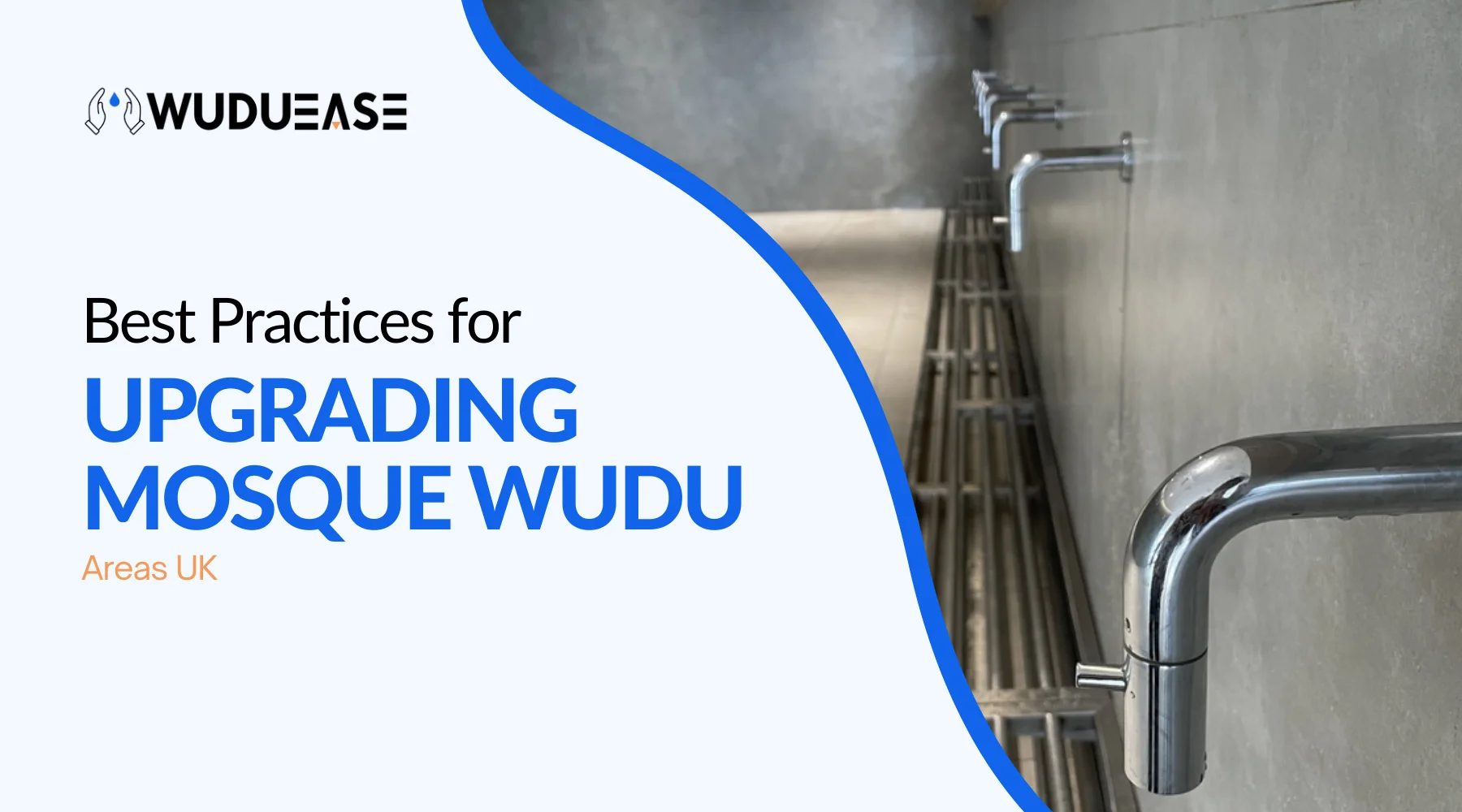
Creating a clean and welcoming Wudu area is crucial for mosques in the UK. As more Muslims attend prayers, especially on Fridays, during Ramadan, and at other events, updating these facilities is necessary, not just for looks. A well-designed Wudu area enhances the prayer experience, supports hygiene practises, and welcomes all community members.
A thoughtfully designed Wudu area is essential for hygiene and preparation in a mosque. This article offers practical tips for UK mosques to redesign their Wudu spaces, focusing on comfort, easy maintenance, and adherence to Islamic and British standards. Improvements can include layouts that reduce water splashing and fixtures suitable for worshippers of all ages and abilities. Attention to these details creates a more inclusive and positive environment for ablution. By blending traditional values with smart design, mosque leaders can create Wudu areas that serve their diverse congregations and uphold the principles of purity, respect, and community care.
The Importance of Upgrading Mosque Wudu Facilities
Wudu, or ablution, is an important ritual in Islam done before prayer. The area for this ritual should be clean, organised, and easy for everyone to reach. However, many mosques in the UK still use old facilities, causing discomfort, poor hygiene, and making it hard for some people to access.
Common Issues in Older Wudu Areas
- Leaking pipes and water damage to floors and walls.
- Lack of privacy or partitioned spaces.
- Inadequate space for large congregations.
- Insufficient ventilation leading to mould and odours.
- Slippery surfaces that create fall risks, particularly for elders.
- Lack of accommodations for those with limited mobility.
Why Modern Facilities Are Essential
- Spiritual Cleanliness: A clean space that reflects Wudu helps worshippers get ready mentally and spiritually for Salah.
- Community Engagement: A tidy and inviting place encourages more people, especially the youth, elderly, and new Muslims, to attend.
- Compliance with Hygiene Standards: Cleanliness is part of faith. Following UK health and safety rules ensures everyone stays healthy while upholding Islamic values.
- Longevity and Efficiency: Modern improvements save water, lower maintenance costs, and help facilities last longer.
Planning a Mosque Wudu Area Upgrade: Key Considerations
When planning your renovation, it’s important to carefully assess the current facility. This helps set clear goals and avoids extra costs.
Step-by-Step Planning Guide
- Usage Analysis: Find the average number of daily users, especially during Jumu’ah and special events.
- Congregational Needs: Survey your members. Do elderly or disabled people need seating? Are young people using the space responsibly?
- Space and Structural Assessment: Inspect the plumbing, drainage, lighting, and airflow. Look for damp areas, cracked tiles, or mildew.
- Budget Allocation: Decide if you need a basic upgrade or a full renovation. Consider funding options like mosque donations, UK faith grants, or charitable trusts.
- Design Consultation: Collaborate with Islamic hygiene solution providers like WuduEase to create plans that follow Islamic rules and local laws.
Understanding UK Regulations
- Comply with Building Regulations Part M for accessibility.
- Install non-slip flooring certified under British Standards (BS 7976-2).
- Ensure proper ventilation per BS 5250 for moisture control.
- Meet the Equality Act 2010 obligations for inclusive access.
Wudu Facility Design Best Practises
Making a Wudu space combines respect for tradition with modern needs. By honouring Islamic customs and including good hygiene practises, we can create a space that is both spiritual and easy to use.
1. Spatial Zoning and Layout Planning
Divide the area into defined zones to streamline use:
- Entry/Preparation Area: Remove shoes, access hygiene supplies.
- Face and Hand Washing Area: Separate sinks or basin units.
- Foot Washing Section: Deep basins or foot baths with drainage.
- Drying/Exit Zone: Tissue, hand dryers, mirrors, and storage.
Make sure there’s one-way movement to make it easier during busy times. Use signs, visual cues, and directional tiles to help people find their way.
2. Ergonomic Fixtures and Accessibility
- Basins: Pick height-adjustable or dual-level models, like the Ceramic Easy Dual Level Wudu Basin with Mixer.
- Foot Baths: Choose the Al Buraq Square Dual Wudu Basin for stability and comfort.
- Seated Solutions: Offer seating, such as the Foot Bath Wudu Basin with Chair.
- Flexible Use: Use fold-down seats and movable basins, like the Portable Wudu Foot Washer, for travel or temporary spaces.
3. Materials and Finishing
- Use anti-bacterial, corrosion-resistant materials.
- Choose seamless tile designs for easier cleaning.
- Invest in high-flow drainage systems with backflow prevention.
4. Inclusivity Through Design
Make your Wudu space truly inclusive by integrating:
- Accessible taps with lever handles.
- Slip-resistant grab bars.
- Wide doorways and pathways (minimum 900 mm).
- Contrast-coloured tiles for the visually impaired.
Hygiene and Safety Protocols
Busy areas like mosque Wudu rooms need thorough cleaning and smart designs to stop the spread of germs and keep people comfortable.
Cleaning Guidelines
- Clean before Fajr and after Isha daily.
- Sanitise high-touch points like taps and soap dispensers.
- Weekly deep cleaning with industrial-grade solutions.
- Use water extractors or wet-vacuums for standing water.
Waste and Supply Management
- Install bins with foot pedals for touch-free waste disposal.
- Stock Toilet Roll Dispensers for hygiene paper.
- Use refillable soap systems that prevent cross-contamination.
Water Efficiency and Safety
- Fit sensor taps with automatic shut-off to prevent water waste.
- Install anti-scald valves to protect children and elders.
- Regularly inspect plumbing for leaks or contamination.
Accessible Wudu Solutions for Elderly & Disabled Worshippers
Accessibility is not just a legal requirement; it is a vital part of community care in Islam.
Custom Solutions
- Seated Wudu: Provide built-in benches or units like WuduEase Foot Bath Wudu Basin with Chair.
- Non-Slip Floors: Opt for matte-finish porcelain tiles or rubberised grip flooring.
- Handrails and Steps: Install grab bars at each Wudu station and low-rise step supports.
Sensory and Cognitive Inclusion
- Visual signboards with Arabic/English text
- Contrasting colours for zones (e.g., blue for foot washing, green for exit)
- Audio instructions via motion sensors
Budgeting for a Wudu Facility Renovation in the UK
Renovation costs depend on the project’s size, materials, and location. Here’s a simple breakdown:
| Item | Estimated Cost (GBP) |
| Wudu Basin Units (6–8) | £2,500–£4,500 |
| Foot Baths & Fixtures | £1,000–£2,000 |
| Tiles & Waterproof Flooring | £1,500–£2,500 |
| Plumbing and Pipework | £2,000–£3,000 |
| Accessibility Features (Grab bars etc.) | £800–£1,200 |
| Sensor Taps and Smart Controls | £600–£1,000 |
| Lighting and Ventilation Improvements | £1,200–£2,000 |
| Labour & Installation | £3,000–£5,000 |
Mosques can seek funding through:
- Local council regeneration grants
- UK Islamic Mission infrastructure support
- Community fundraising via GoFundMe or mosque campaigns
- Islamic charity partnerships with housing trusts
Enhancing User Flow and Wudu Experience Through Design Psychology
One often overlooked part of upgrading the Wudu area is how worshippers move through it. A good layout can reduce crowdedness, improve safety, and enhance the spiritual experience. Design a natural path from shoe removal to drying, making sure each step has enough space and signs to guide users. Use partitions for privacy, especially in shared spaces, and colour-coded tiles or lighting to mark areas for washing the face and feet.
Think about how worshippers behave: they usually come in groups before prayers, so the space should allow for multiple people to use it at once without feeling cramped. Choose calm materials and lighting, soft colours, LED lights, and natural textures to create a peaceful atmosphere.
For sections aimed at children and the elderly, provide clear signs, lower fixtures, and supervised areas to ensure safety and boost confidence. These thoughtful design elements make the Wudu process smoother and more respectful of everyone’s needs in a communal worship space.
Long-Term Maintenance and Community Engagement
Maintenance is an ongoing duty that ensures your investment serves generations to come.
- Schedule quarterly plumbing inspections.
- Use a facility management checklist.
- Encourage users to report faults via a digital kiosk or QR code.
- Train volunteers or caretakers in Islamic hygiene principles.
- Launch a “Wudu Awareness Week” to promote respect for the space.
Integrating Wudu Education in Community Outreach
Adding Wudu education to your mosque’s outreach is a great way to teach Islamic values and good ablution practises. Many worshippers, especially new Muslims and kids, can benefit from visual demonstrations or clear signs explaining each step of Wudu. Setting up educational materials in the Wudu area, like wall guides, video screens, or leaflets in different languages, can help fill knowledge gaps and boost spiritual awareness.
Hosting monthly Wudu workshops can support broader Islamic education. These sessions can help people understand the importance of purification, both physically and spiritually. They can also teach proper hygiene, encourage respect for shared facilities, and promote cleanliness. By adding education to the Wudu experience, mosques can strengthen individual faith and create a more caring community.
People Also Ask (FAQ)
What is the ideal number of Wudu stations for a medium UK mosque?
For a congregation of 300–500 people, 10–12 Wudu stations with both seated and standing options are ideal.
Can mosques use crowdfunding for renovation?
Yes, many UK mosques successfully use online campaigns and social media to fund Wudu upgrades.
How can Wudu areas prevent slips?
Use slip-resistant tiles, ensure quick drainage, and place anti-slip mats in drying areas.
Are gender-separated Wudu areas mandatory?
They are not legally required, but many prefer gender-separated Wudu spaces for privacy.
What is the best way to teach children proper Wudu?
Set up a “Wudu learning station” with visuals and smaller basins for children.
Build a Wudu Space That Uplifts the Ummah
Updating your mosque’s Wudu area shows key Islamic values like cleanliness, inclusion, respect, and foresight. Choosing the right Wudu basin and smart foot baths makes a lasting difference.
Explore WuduEase’s selection of products to enhance your community’s Wudu experience with professionalism, spirituality, and comfort.